Why I Created an Altar in My Home
The Sunday Letter
One honest letter a week: stories, wellness news, and spiritual lessons to carry with you.
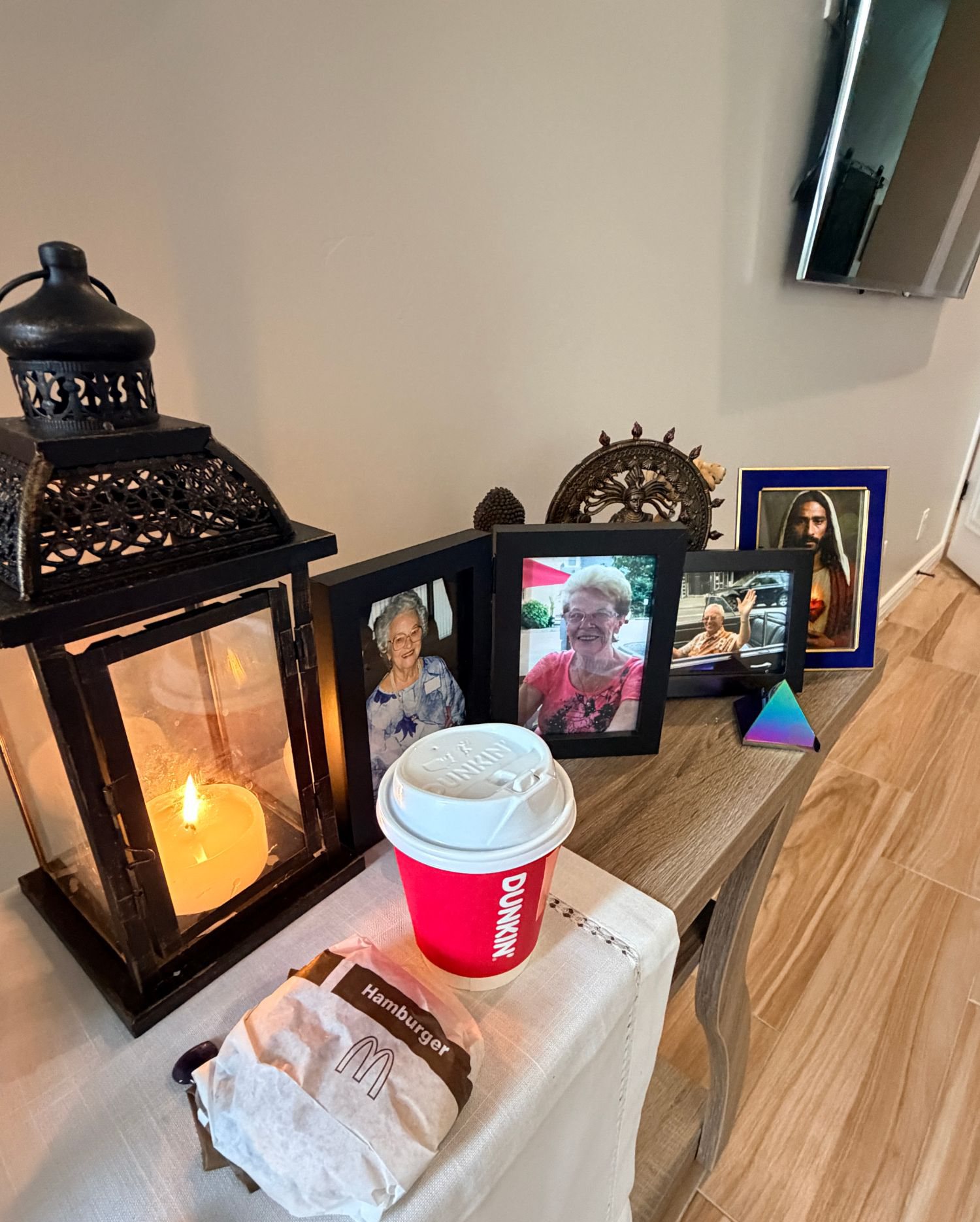
This year, I did something I had never done before. On the day after Halloween, I printed photographs of my mother, who passed away earlier this year, her brother Eddie, who was also my godfather, and my grandmother, Nanny. I placed them on the altar in our home.
Until this year, I had never had an altar at home. I had also never observed Día de los Muertos, the Day of the Dead, a Mexican tradition celebrated on November 1st in which families honor loved ones who have died.
In our house, the movie Coco introduced our children to the tradition. We watched it together that day, too. The Smithsonian has a short introduction to the tradition and its origins.
My children’s favorite part, though, was probably the trip to McDonald’s. We bought a hamburger and French fries to place on our altar, which we had made into an ofrenda, an offering honoring our loved ones. We also picked up a cup of Dunkin’ Donuts coffee, black, for my mom. Other than her children, those were probably two of her favorite things in the world.
Of course, the children got McDonald’s, too, which brought them plenty of happiness. What they couldn’t understand was why we were buying McDonald’s for their grandmother when she was dead. We tried our best to explain that we were remembering her through the things she loved. The hamburger and coffee gave us something familiar to share with them, a small piece of who their grandmother was.
Looking at her photograph beside that meal, I began thinking about how much my relationship with altars had changed.
Candles to St. Jude
Growing up, we always had candles to St. Jude in our house. He is the patron saint of lost causes, which probably says a lot about my family. We apparently felt it was important to keep him on standby.
Those candles usually sat on a shelf or cabinet. I don’t know whether we would have called that an altar, but looking back, I can see something of the same intention there: making a place for prayer within ordinary family life.
And children were always at the center of that life. My mother served for many years as president of the Rockland Foster Parents Association. Together, my parents raised more than seventy children, myself included. She had an enormous heart, with room for children whose lives had already brought them more suffering than any child should have to bear.
Her love extended even to a baby who had been found dead in a dumpster. My mother and another association leader adopted the little girl, named her Hope Grace Rockland, and gave her a proper funeral. My mother also helped establish a memorial for other children buried in the county cemetery. You can read more about her and Hope Grace’s story here.
When I think about the energy I want to bring into my home, that is part of what I mean. I want to remember that kind of love and let it influence how I live.
As a child, though, I never thought much about the candles. Lighting one was simply something you did when you needed extra prayers. The word altar brought to mind Sunday Mass and the Catholic church where I spent much of my youth serving as an altar boy. It belonged to that setting, with its prayers, vestments, and familiar rituals.
The Altar on My Nightstand
My understanding began to change when I started working with sacred plant medicines.
Before my first deep mushroom ceremony, I made a small altar on my nightstand. It held a photograph of my wife, a photograph of my children, and a candle. During the experience, as I moved through unfamiliar planes of consciousness, those simple objects grounded me. Seeing my family expanded my heart and reminded me of what mattered most in my life.
The photographs were the same photographs they had been before the ceremony. But in that moment, I felt the love they represented with an intensity that is difficult to explain.
Buddha, Nataraja, and Jesus
When I founded Heartspace, I felt strongly about creating an interfaith community. I wanted people from different backgrounds to feel welcome and free to explore their own relationship with the divine. Early on, I intentionally avoided much of the traditional religious language and imagery. I knew those symbols could carry strong associations, and I didn’t want someone to feel that participating meant accepting a particular religion.
Then, during a deep psychedelic ceremony at another facility, I sat before an altar with images of Buddha, Nataraja, and Jesus. As the medicine moved through me, those images resonated profoundly. Each brought forward different thoughts and feelings, and I felt a beautiful, healing energy in their presence.
When I looked at Buddha, I saw the face of my daughter Rey, grown up, looking back at me. It felt like a glimpse of who she might become one day. Seeing her face in that image has forever changed how I look upon statues and images of Buddha. It also changed how I look at my children.
That ceremony was also one of many in which Jesus kept showing up in some way, through symbols, art, or experiences within the journey itself. Those encounters became part of the spiritual path that led me back to Yeshua as a teacher, but that is a story for another time.
Sitting before that altar opened something in me. I realized I could welcome what those images offered without feeling any obligation to worship them or asking anyone else to do so. I could feel the love I associated with Yeshua, the stillness I associated with Buddha, and the balance I saw in Nataraja. Those qualities had a place in sacred ceremony, and I wanted to make room for them in my life.
It also changed how I understood being interfaith. I began to see how we could make room for the teachings and images that move us, while allowing each person to have their own relationship with them. Someone else might see something different in those same images, or feel called toward entirely different ones.
Afterward, I wanted to carry some of that experience into my daily life. I wanted those reminders in my home, not just when I entered ceremony, but also when I prepared for work in the morning, when I sat and talked with my wife, and when I simply needed to sit in quiet meditation at home. So I created a small altar of my own.
Looking back, a seed had been planted about ten years earlier, when I visited a friend’s home and was surprised to find a small space dedicated to meditation. I had never seen anything like it. The idea of setting aside part of your home simply to sit and be still stayed with me. Years later, that memory was part of the inspiration for our own space. We chose a corner of our bedroom for meditation, and our altar became its center, a place where we could pause, quiet our minds, and spend time with what we hold sacred.
An Ancient Practice
In doing so, I was joining a practice far older than I had appreciated. For thousands of years, people have created places in their homes to connect with the sacred. Ancient Roman households kept shrines called lararia, where they honored household guardian spirits with prayers and offerings. The Metropolitan Museum of Art describes these practices in its guide to Roman art and household religion.
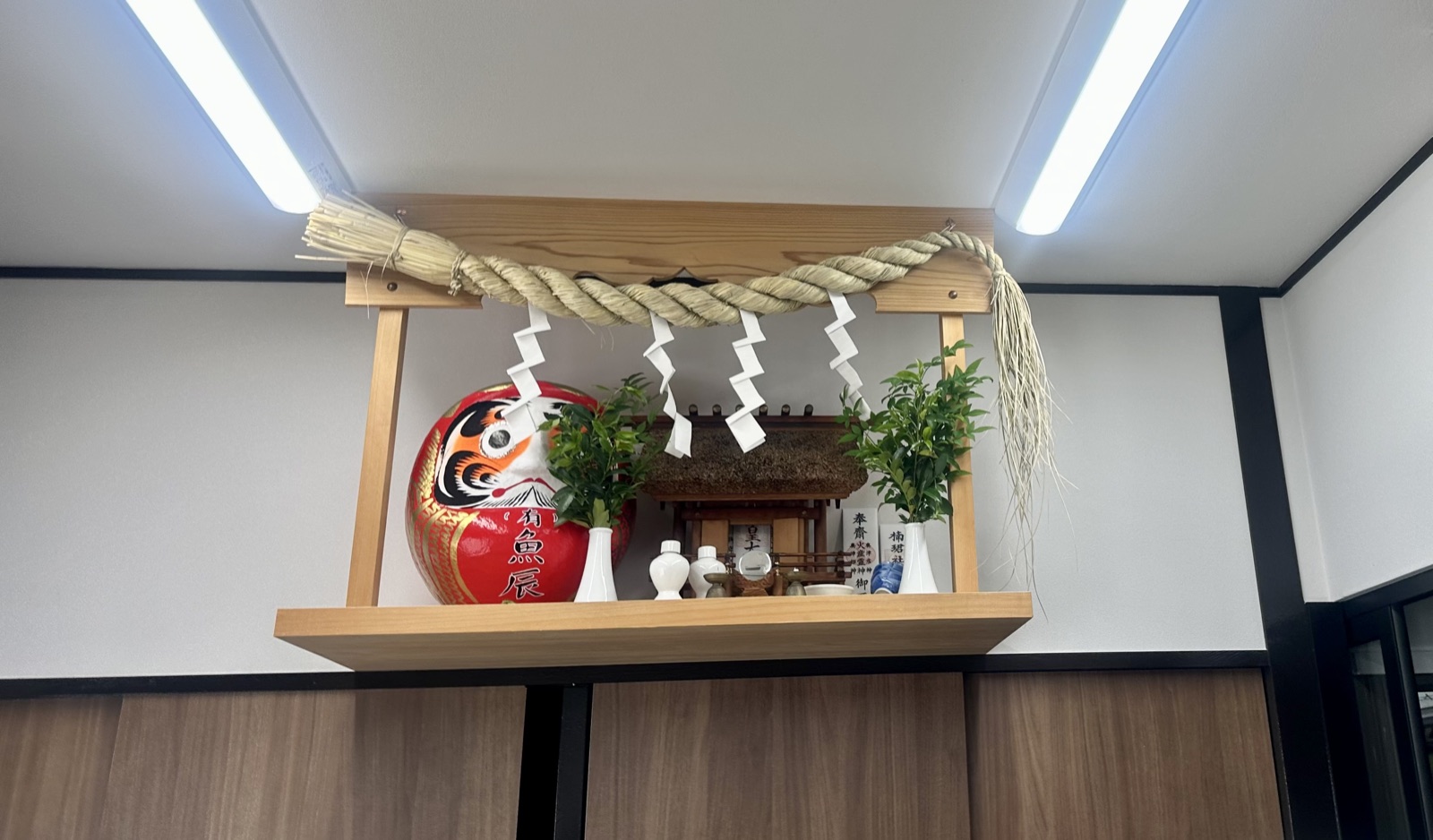
A kamidana, a household Shinto shrine, in Kanagawa, Japan. Photo: Nesnad, CC BY 4.0, via Wikimedia Commons.
In Tibetan Buddhist homes, a shrine might occupy a small altar or an entire room, holding images of the Buddha, teachers, sacred texts, and offerings. The Smithsonian’s Tibetan Buddhist Shrine Room offers a glimpse into that living tradition.
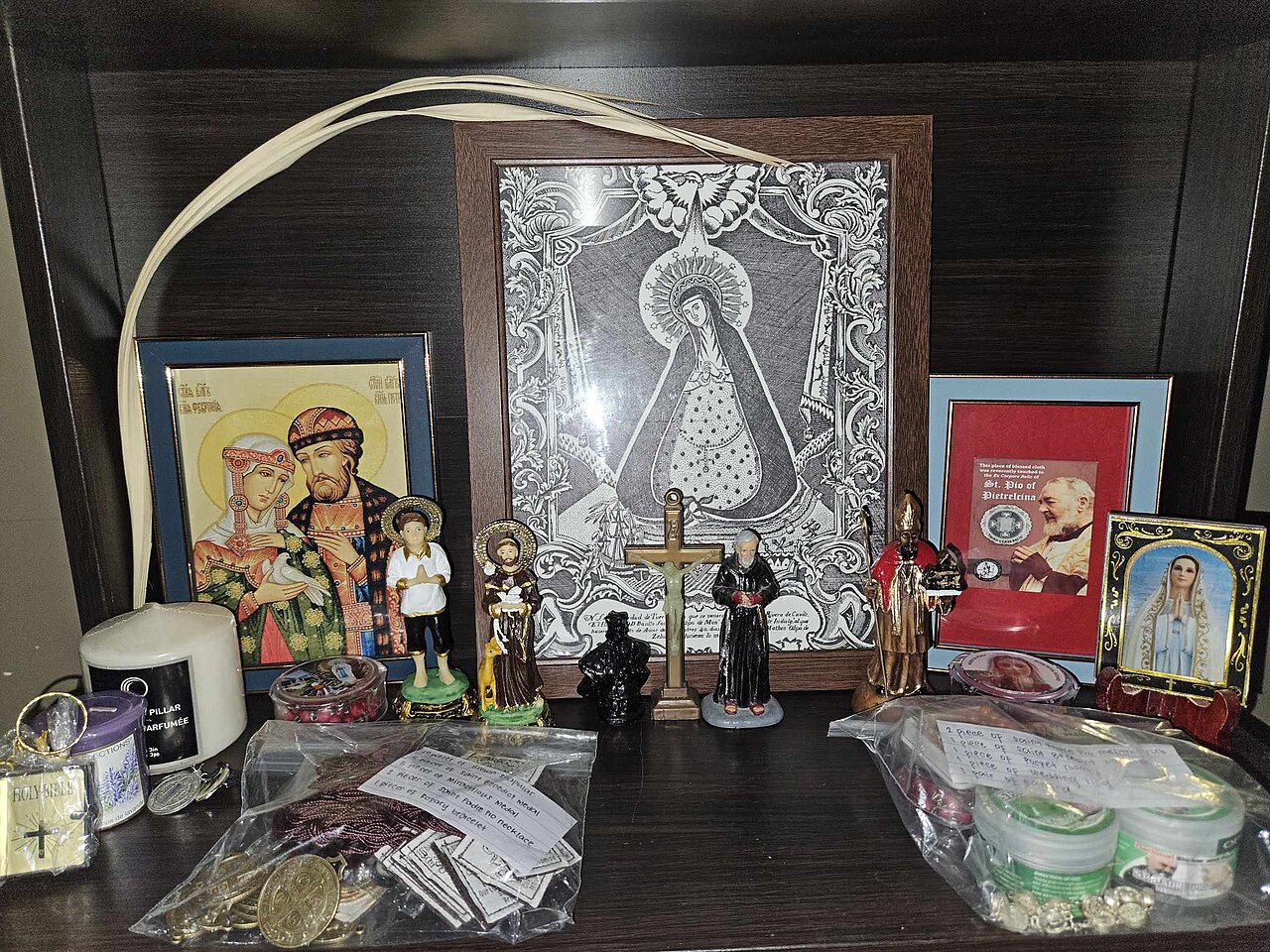
A Catholic home altar with icons, saints, a crucifix, and a candle. Photo: Catholic Devotions, CC BY 4.0, via Wikimedia Commons.
For myself, there is a clear connection to the Catholic faith, and there is also a connection to my Taíno ancestry. Before European colonization, Taíno people kept personal sacred figures called cemís, also spelled zemís, in their homes, while others were housed in dedicated ceremonial spaces. These figures were associated with ancestors, deities, and spiritual forces.
Cemís could take many forms, including figures carved from wood or stone. In Taíno understanding, they could embody a spiritual presence, carrying a significance much deeper than decoration or a reminder. Princeton University Art Museum’s discussion of cemís explains their relationship to ancestors, deities, and vital spiritual forces.
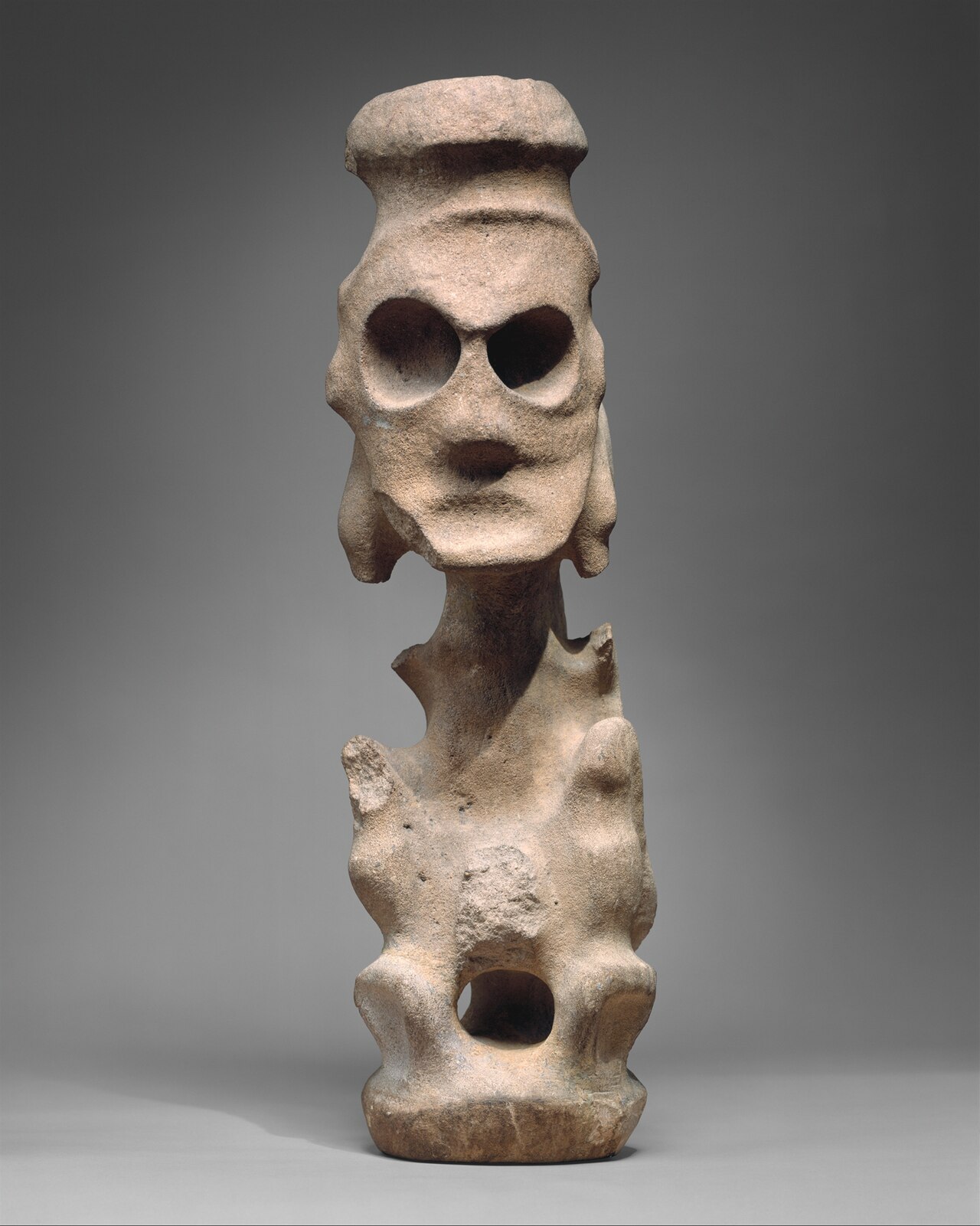
A Taíno stone zemí, or deity figure. The Metropolitan Museum of Art, public domain, via Wikimedia Commons.
Learning about these traditions makes me feel connected to something deeply human: the desire to give our relationship with the sacred a physical place in our lives. These practices have different meanings within their own cultures. Some involve worship, others offerings, remembrance, meditation, or communion with ancestors. My own altar reflects the relationships and teachings that have shaped me.
What’s on My Altar Today
Today, my altar holds images of Yeshua, whom most people know as Jesus, and Ram Dass, two of my teachers. There are photographs of my wife and children, images of Buddha and Nataraja, a few crystals, and a ceremony candle at the center.
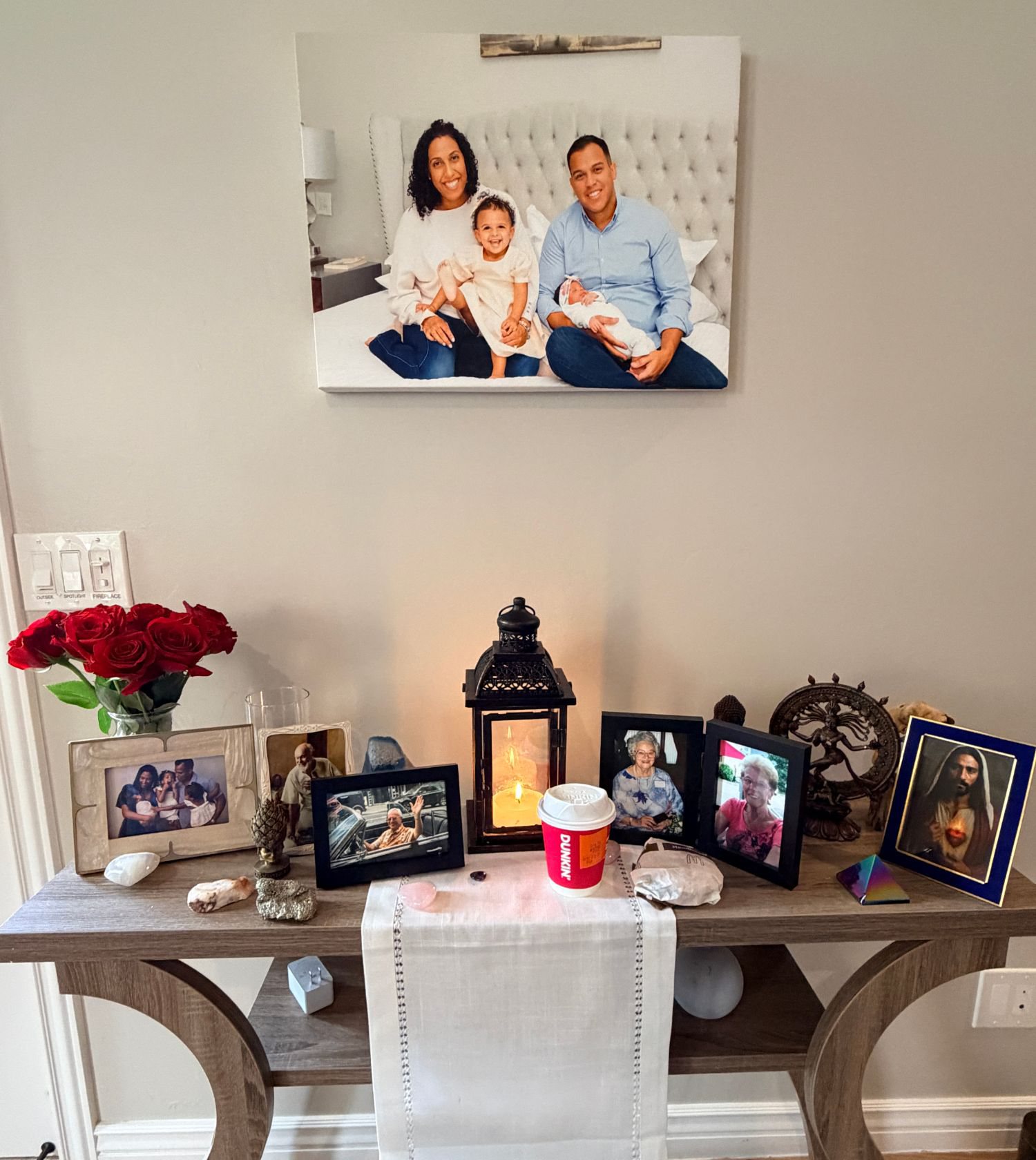
Our altar at home this Día de los Muertos, with our family portrait above it.
That candle carries a deep meaning for me, one that deserves its own story. Its place at the center is intentional.
When some people see an altar with figures from different traditions, they may assume it means worshiping each of them. People use altars in many ways, but my own practice begins with a question: What energy do I want to bring into my life?
When I look at Yeshua, I remember his teaching to love your neighbor as yourself. I think about service and how I am treating the person in front of me. Ram Dass reminds me to approach life with loving awareness and to be grounded in my humanity.
Buddha reminds me to sit, breathe, and become still enough to quiet my mind. His image calls me back to meditation and my Kung Fu training when I become caught up in my thoughts.
Nataraja is Shiva in his form as the Lord of Dance, a Hindu image depicting the cosmic dance of creation and destruction. Beneath his foot is a demon. For me, that image invites reflection on the wounds, fears, and painful histories we carry. I see something of my own spiritual journey in that dance: learning to witness those parts of myself, allowing them to emerge without letting them take control, and making room for the divine to move through me. I don’t need to destroy every difficult part of myself to experience wholeness. I can learn to hold those parts with compassion and find my balance among them.
And then there is my family. Their photographs remind me where so much of my spiritual practice happens: in being a husband and father, in finding patience, in listening, and in loving the people closest to me. Their photo reminds me why I chose this incarnation in the first place—to experience their love.
Bringing Something to the Altar
This is also one reason that, before I host a Communion ceremony, I always offer participants the opportunity to bring something meaningful to place on the altar. It might be a photograph of someone they love, a crystal, a statue of Jesus or another religious symbol, or another object with personal significance. Each person brings their own history, relationships, and understanding of the divine into that space.
I remember how comforting it was to see my wife and children’s faces during my own journey. Offering someone else that opportunity feels important. The object they bring may help them feel connected to love, remember their intention, or find something familiar during an unfamiliar experience. As we prepare for ceremony together, the altar begins to hold something of each person gathered around it.
That is what I mean when I talk about bringing energy into a space. These images and objects stir something within us. They help us remember the qualities we want to practice and the people we want to keep close.
Remembering Together
This Día de los Muertos, the photographs we added brought another kind of presence to our altar. They reminded me of voices, personalities, memories, and the love I received from people who helped shape my life.
Placing their photographs there gave us a reason to pause together as a family. It gave our children a chance to ask questions and gave us a chance to share stories. Remembering became something we could do together, with our hands as well as our hearts.
I think that is part of what I have come to appreciate about having an altar. It gives the things I hold sacred a place in my home, where I can see them and return to them. It serves as a reminder when I am caught up in my day to day, subtly affects the energy of our home, and when I need it the most, is an anchor.
On our altar, we have photos, religious symbols, crystals, and candles. And now, at least one day a year, there is also a cup of black Dunkin’ Donuts coffee and a McDonald’s hamburger.
If this story stirred something in you, I’d love to keep the conversation going. Every Sunday I send one honest letter about healing, sacred medicine, the spiritual path, and what life is teaching me along the way — plus one question to carry into your week.
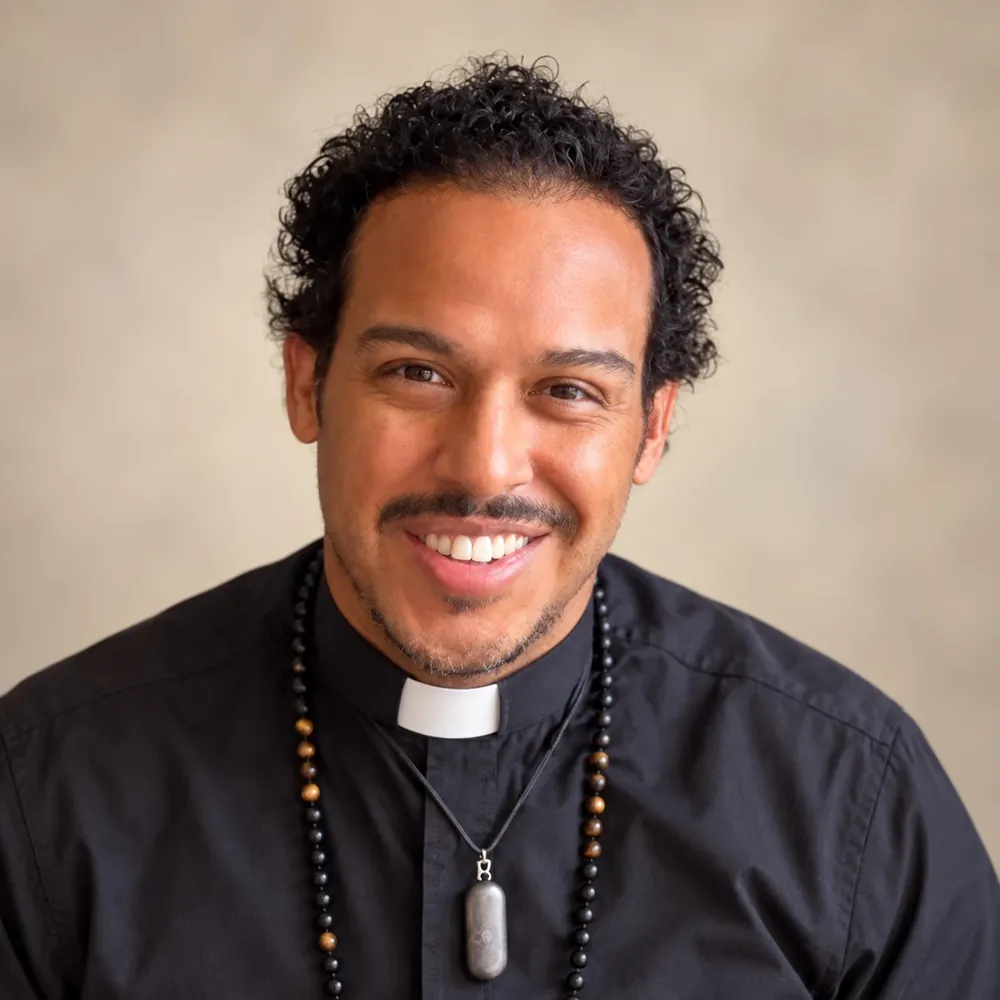
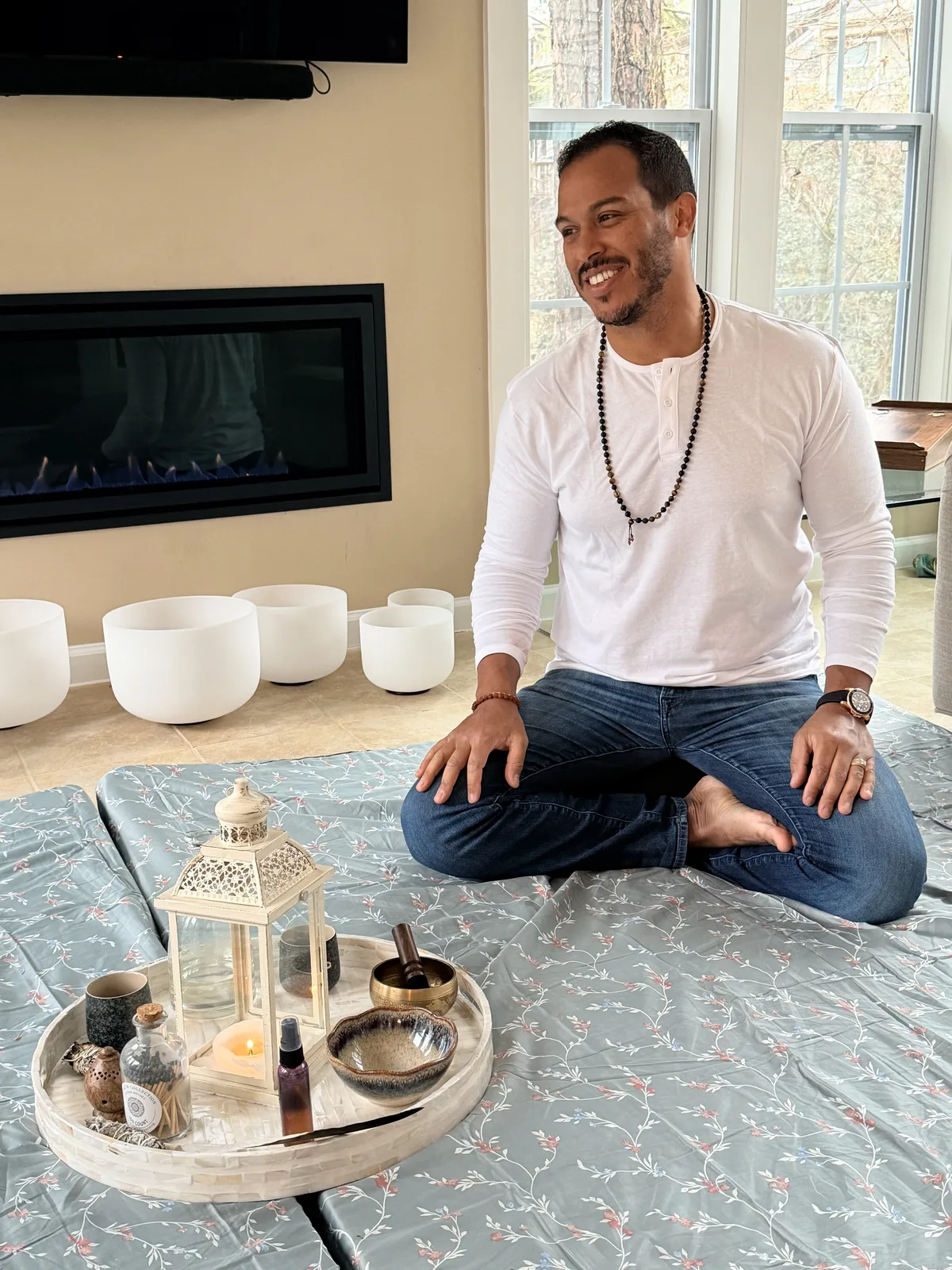
Robert Solano
I’m a psychedelic chaplain, a retired U.S. Army Lieutenant Colonel and Black Hawk pilot, and the founder of Heartspace Church. I write about healing, sacred medicine, leadership, and the spiritual path. I live with my wife, Zaira, and our three children.
KEEP READING
More Reflections
The Origin of Catholic Eucharist and What Communion Means to Me
An altar boy’s memory of an unconsecrated wafer led me back through the Gospels, the early church’s love feasts, and the slow development of the Eucharist, and to what communion means to me today.
The Illusion of Choice: How Your Conscious Mind Deceives You
Your brain decides before you know it. What Libet, Haynes, and split-brain research reveal about free will, and how to train the mind that does the choosing.
How I Built This: Building a Snow Cone Business in 30 Days
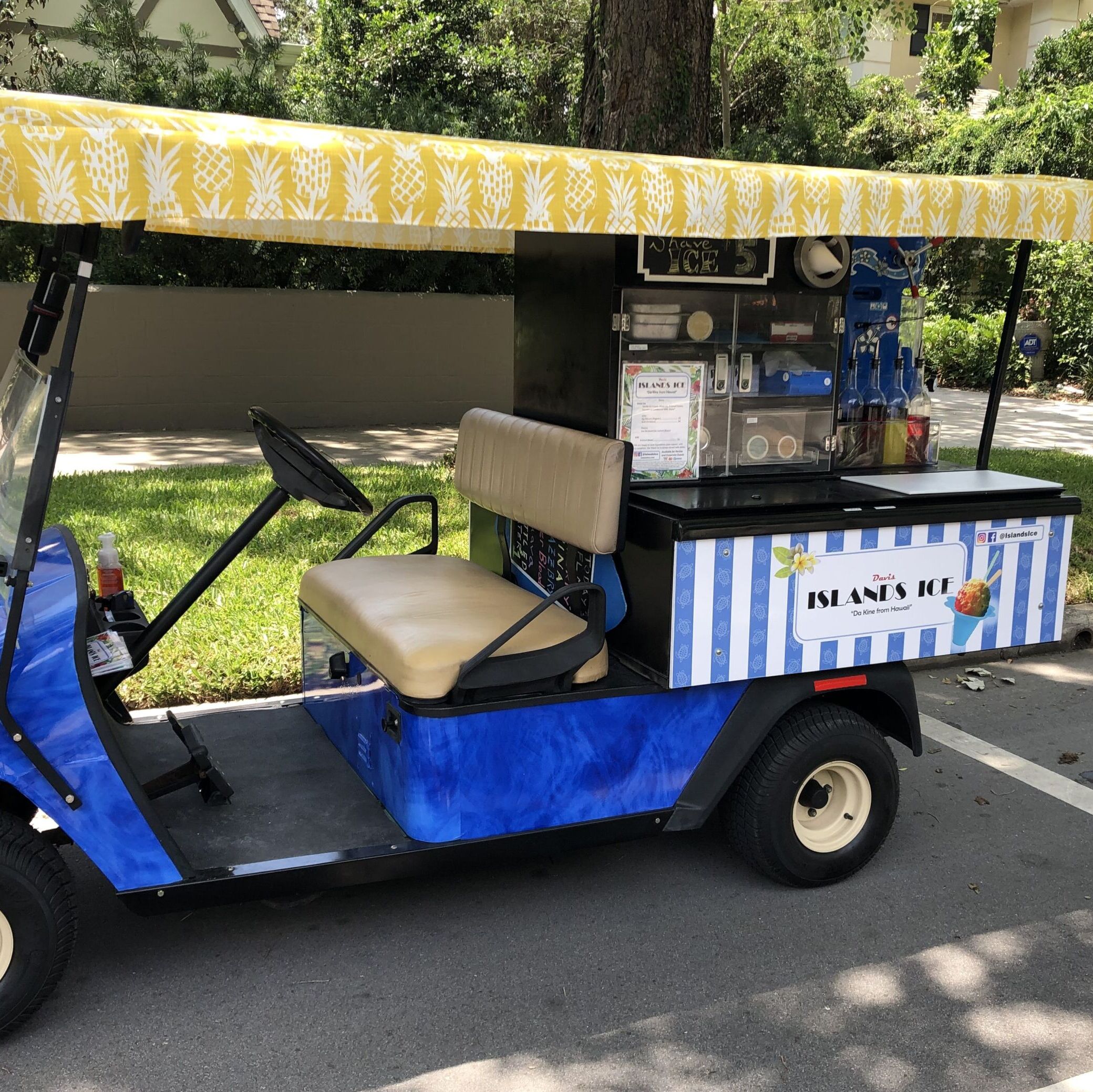
How I started a shave ice business on a golf cart in 30 days for about $10,000: my raw journal, every expense, the licenses I needed, and how it ended.
In memory of Hope Grace Rockland, The Baby Found in a Deli Garbage Can
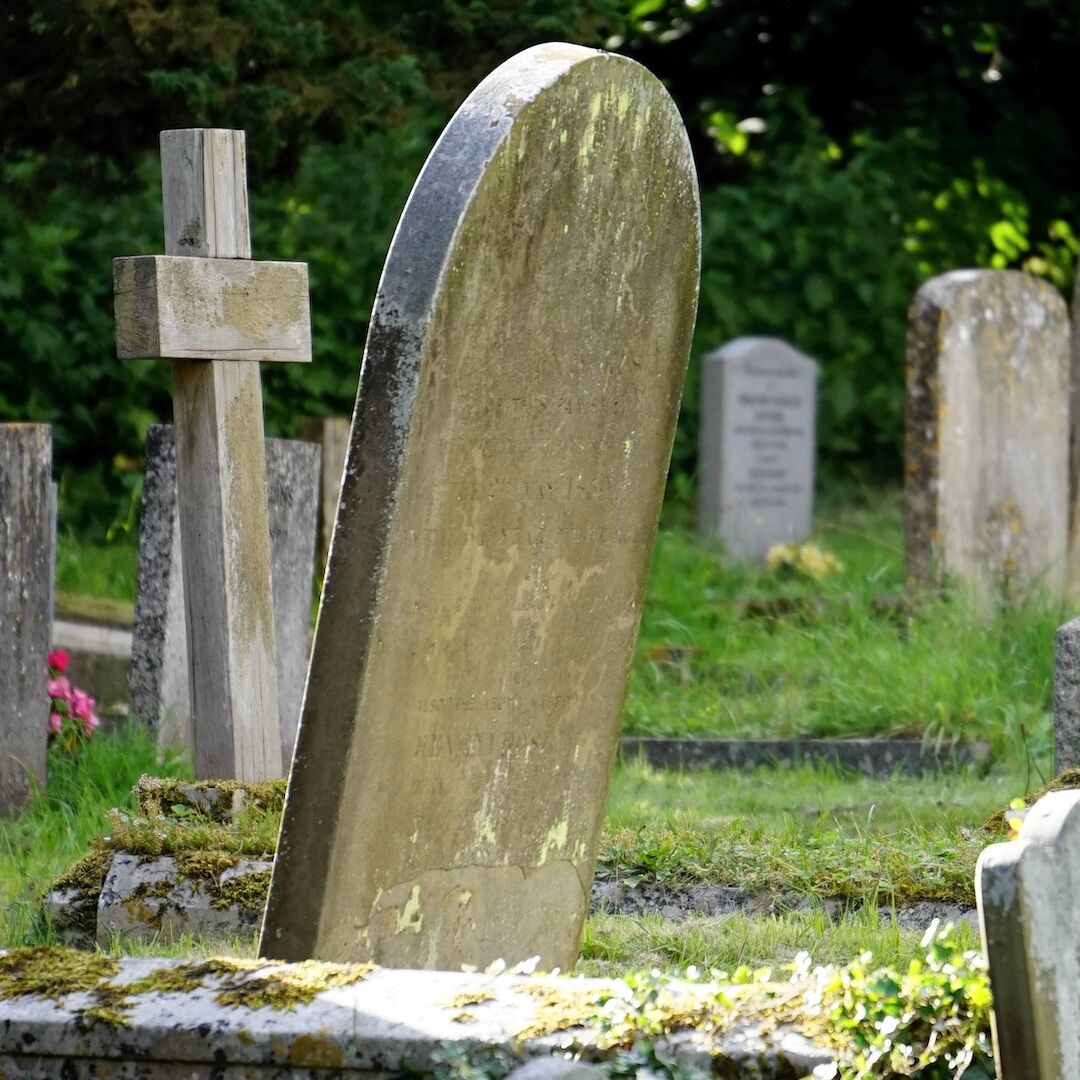
Photo by Mike B., at pexels.com If the idea of having children while managing two careers seems overwhelming, imagine how my parents...
READ MORE →
The Garden of the Mind
Instead of paths in the snow, we should think of psychedelic neuroplasticity as an act of gardening. "The mind is everything. What you...
READ MORE →
STAY CONNECTED
The Sunday Letter
Enjoyed this? Once a week I send one honest letter — a story from my life, what I’m learning about God, healing, leadership, and love, and one question to carry into your week.
Free. Unsubscribe anytime.