The Medicines That Change Us: An Overview of Sacred Plant Medicines
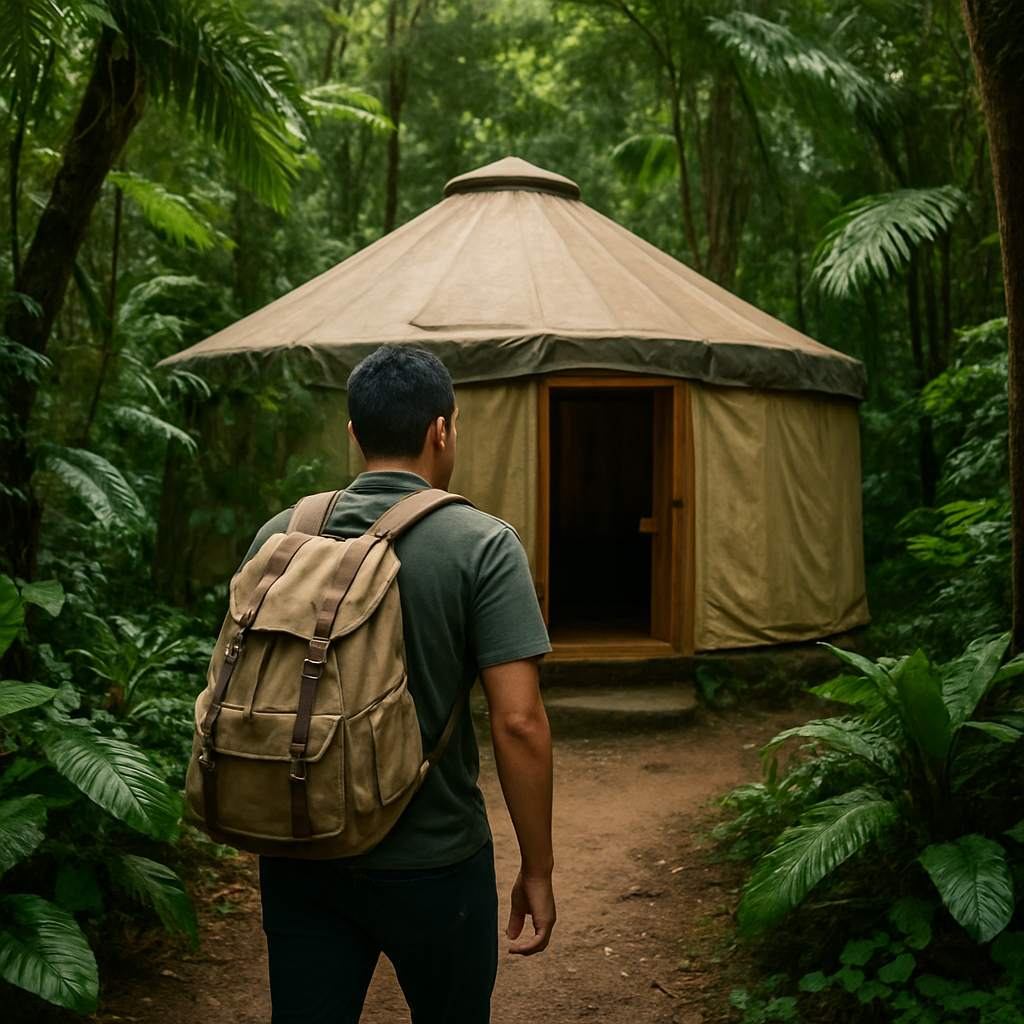
When people talk about psychedelics, they often lump together a wide range of substances—some plant-based, others synthetic. Each has its own personality, its own rhythm, its own way of teaching. Before you consider stepping into this world, it’s important to understand what these medicines are, where they come from, and why people across time and cultures have turned to them in moments of crisis, transformation, or deep seeking.
What Are Traditional Psychedelics?
The word “psychedelic” comes from the Greek psyche (mind) and deloun (to make visible or reveal). In simple terms, psychedelics reveal the mind. They break down the filters that normally shape our perception of reality—allowing us to see ourselves, others, and the world with fresh eyes.
Traditional psychedelics typically refer to substances that activate the serotonin 2A receptor in the brain, resulting in altered states of consciousness, enhanced introspection, and often spiritual or mystical experiences. These include LSD, psilocybin, mescaline, DMT (as in ayahuasca), and ibogaine.
A Brief History: From Ancient Civilizations to Modern Labs
Psychedelic plant medicine has been part of human history for at least 8,000 years—maybe longer. Indigenous peoples across the world have turned to these sacred plants for healing, ceremony, and connection with the divine. In the American Southwest, tribes used peyote in spiritual rituals that still continue today. In Central America, the Mazatec and other Mesoamerican cultures used psilocybin mushrooms in ceremonies guided by curanderas. Deep in the Amazon, ayahuasca has been brewed for generations by Indigenous communities in Peru and Brazil.
As someone of Taíno heritage, I take pride in knowing my Caribbean ancestors also practiced plant medicine through a sacred snuff called cohoba, which contained DMT and was used in spiritual rites. These traditions aren’t isolated. Across Africa, tribes have long used iboga in coming-of-age ceremonies, and even in ancient Greece, the Eleusinian Mysteries likely involved psychedelic compounds like those found in ergot. Wherever humans have sought meaning, healing, and connection, the plants have been there—offering their wisdom.
Modern psychedelic history often starts with LSD, a synthetic compound first created by Dr. Albert Hofmann in 1938 and rediscovered by him in 1943. In the 1950s and ’60s, psychedelics were widely studied in clinical settings for their potential to treat alcoholism, depression, and trauma. Leading researchers like Dr. Stanislav Grof and institutions like Harvard (via Timothy Leary and Richard Alpert, later Ram Dass) helped bring these medicines into the public conversation.
But the cultural explosion that followed—centered on anti-war movements, free love, and spiritual awakening—sparked a backlash. By the early 1970s, most psychedelics were classified as Schedule I substances in the U.S., effectively halting all research and criminalizing their use.
We’re now in the midst of what many call the “psychedelic renaissance,” with clinical studies, decriminalization movements, and renewed public interest bringing these tools back into mainstream conversation—not just for healing trauma but for expanding consciousness, improving mental health, and reconnecting with purpose.
Let’s walk through the most well-known psychedelic medicines being used today.
Ayahuasca: The Vine of the Soul
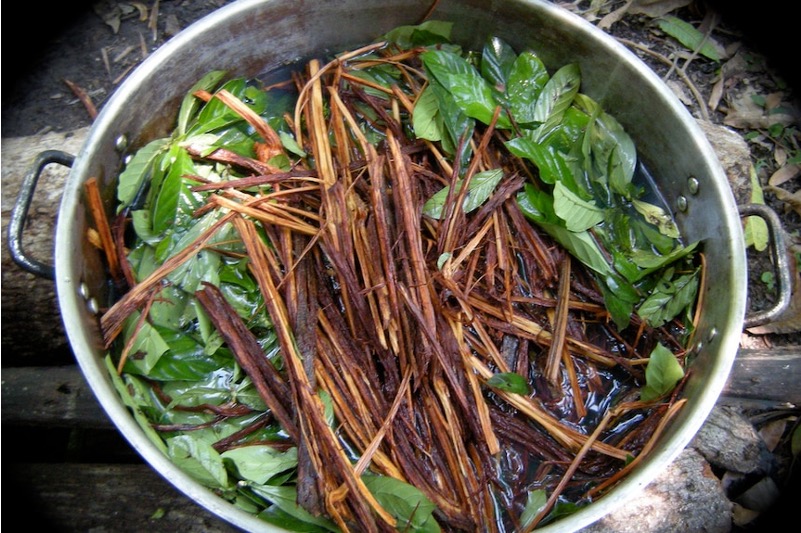
Ayahuasca is a sacred Amazonian brew made from two plants: the Banisteriopsis caapi vine and the leaves of the Psychotria viridis shrub, which contains DMT. The vine contains MAO inhibitors that allow the DMT to be orally active, leading to a long, often intense journey lasting 4 to 6 hours.
Used for centuries by Indigenous communities across the Amazon basin, ayahuasca is not a casual experience. It is traditionally consumed in ceremony, guided by shamans who understand the plant’s power and can help participants navigate its psychological and spiritual terrain.
Expect visions, emotional purging (often physical vomiting), and a deep sense of connection to nature, spirit, and ancestral memory. Ayahuasca often “teaches” through direct, sometimes challenging confrontation with the self.
If you’re considering ayahuasca, seek experienced facilitators who honor the cultural lineage of this medicine and prioritize safety, preparation, and integration.
Psilocybin: The Mushroom That Opens Doors
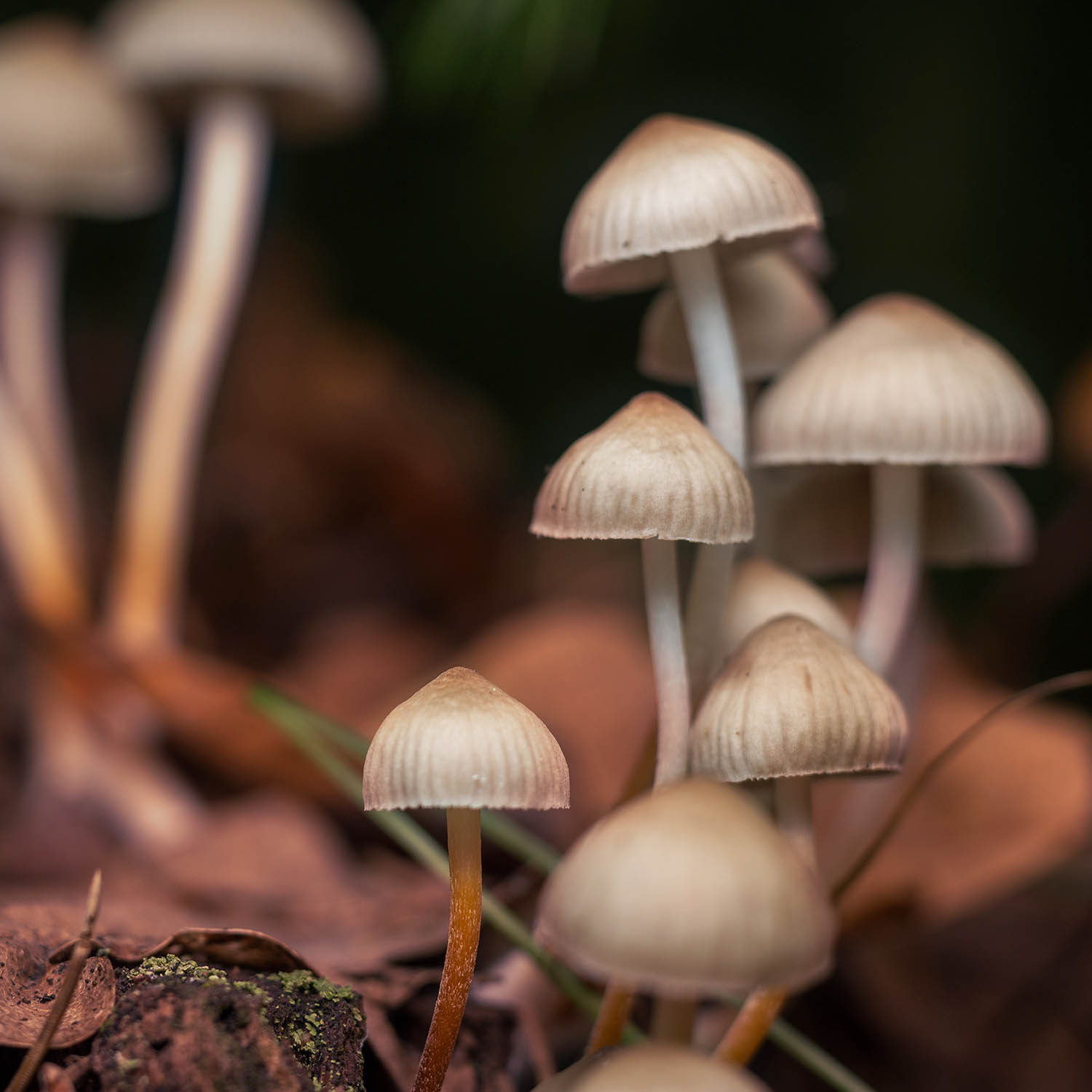
Psilocybe
Psilocybin is the active compound in so-called “magic mushrooms,” found in species like Psilocybe cubensis and Psilocybe semilanceata. These mushrooms have been used in Mesoamerican rituals for thousands of years, known to the Aztecs as teonanácatl, or “flesh of the gods.”
Unlike ayahuasca, psilocybin mushrooms are easy to cultivate and widely accessible. A typical journey lasts 4 to 6 hours, often marked by vivid visuals, emotional insight, and a sense of unity with nature or the universe. At higher doses, people often report ego dissolution or mystical experiences.
Psilocybin has shown great promise in clinical research, particularly for treating depression, end-of-life anxiety, and addiction. It tends to be gentler than ayahuasca and is often a good starting point for people new to psychedelics.
That said, psilocybin can still bring up intense emotions. Setting, support, and intention matter just as much as with any other medicine.
Mescaline: Heart-Opening, but Handle with Care
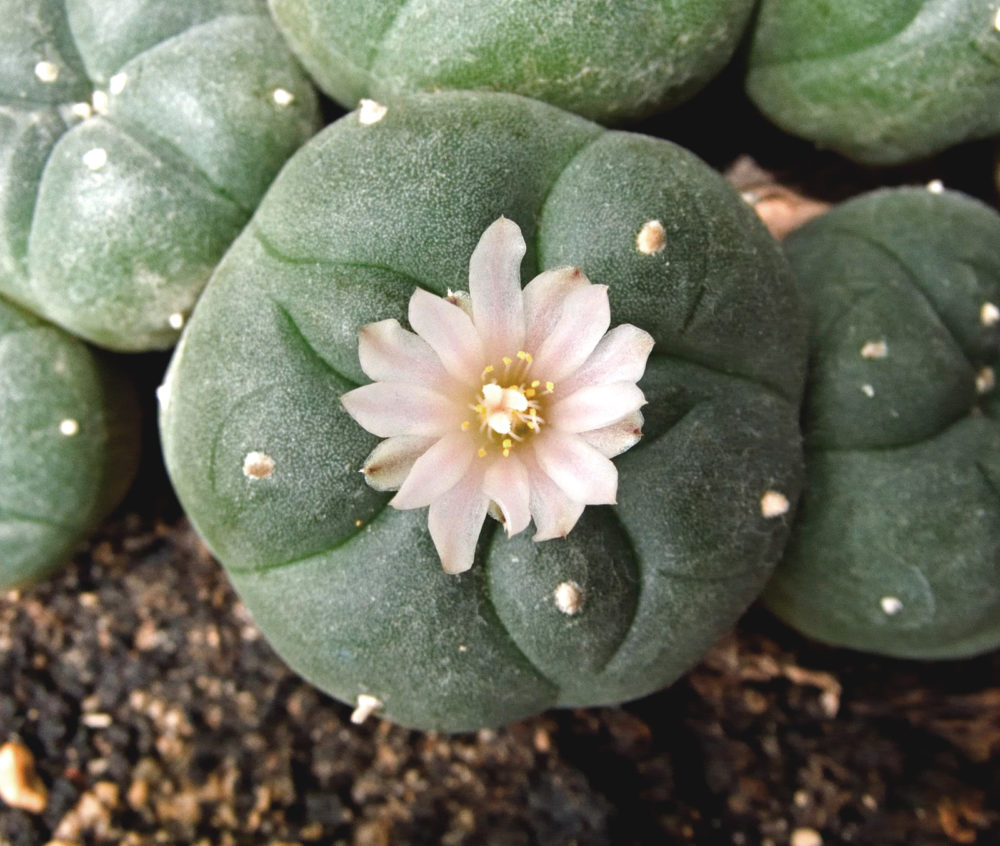
Mescaline is a naturally occurring compound found in several cacti, including peyote, San Pedro (Echinopsis pachanoi), and Peruvian torch. It produces a long (8–12 hour) psychedelic journey often described as heart-centered, visionary, and grounded in gratitude and interconnectedness.
Peyote is central to the spiritual traditions of many Native American tribes and is used in formal ceremonies held by the Native American Church (NAC). Due to overharvesting and the slow growth of peyote, the supply is limited, and many Indigenous leaders ask that non-Native individuals refrain from using peyote unless formally invited to ceremony.
San Pedro, also called Huachuma, which grows more abundantly and rapidly, is often used in South American ceremonies and is a more accessible option for those seeking mescaline’s effects. Most people say that the differences between peyote, San Pedro, and synthetic mescaline are indistinguishable.
If you’re drawn to mescaline, do your research and approach with deep respect. The energy of this medicine is relational—more about connecting to your heart, to the Earth, and to community, rather than blasting into other dimensions.
Ibogaine: The Warrior’s Journey
Derived from the root bark of the Tabernanthe iboga shrub in Central Africa, ibogaine is a powerful, long-acting psychedelic known for its unique ability to interrupt addiction—particularly opioid and stimulant dependence.
Used in the Bwiti spiritual tradition of Gabon, iboga has been called a “sacred wood” and is typically consumed in intense rites of passage lasting 24 hours or more. The ibogaine experience is less visual and more introspective, like watching a rapid-fire film of your life while your body remains deeply still.
While ibogaine has shown remarkable results in clinical and underground settings for treating addiction and PTSD, it carries real physical risks, especially for people with heart conditions. Ibogaine treatment should only be done in medical or well-supervised retreat settings with proper screening and emergency protocols in place. Most modern ibogaine treatment programs have you hooked up to an EKG the entire time because the risk of heart arrhythmia is very dangerous. For those battling opioid addiction, this risk may be worth it.
MDMA: The Heart Medicine for Trauma
Although not a classical psychedelic, MDMA (commonly known as “ecstasy” or “molly”) has become one of the most studied substances in psychedelic-assisted therapy, particularly for treating PTSD.
MDMA works by flooding the brain with serotonin, dopamine, and oxytocin, creating a state of openness, safety, and emotional trust. This allows people to revisit traumatic memories without being overwhelmed by fear or shame.
Clinical trials by MAPS (Multidisciplinary Association for Psychedelic Studies) have shown that with trained therapists, MDMA-assisted therapy can lead to profound healing for survivors of war, sexual assault, and childhood trauma.
MDMA doesn’t typically produce ego dissolution, but it opens the heart. It helps people feel connected to themselves and others—and that alone can be transformative. It is most beneficial in reprocessing trauma when combined with talk therapy.
Final Thoughts
Each of these medicines offers a unique path—some gentle, some intense—but all with the potential to open doors to healing and self-discovery. They’re not magic bullets or quick fixes. But with the right support, preparation, and respect, they can help you face what’s been holding you back and reconnect with what matters most.
If you’re curious and want to explore these medicines further, I invite you to join my free webinar, Psychedelics 101: What Every First-Time Journeyer Should Know (sign up here). It’s a safe space to learn, ask questions, and get grounded in the basics before deciding if this path is right for you.
Your journey deserves thoughtful guidance. I’m here to help.